
Available Honours Projects
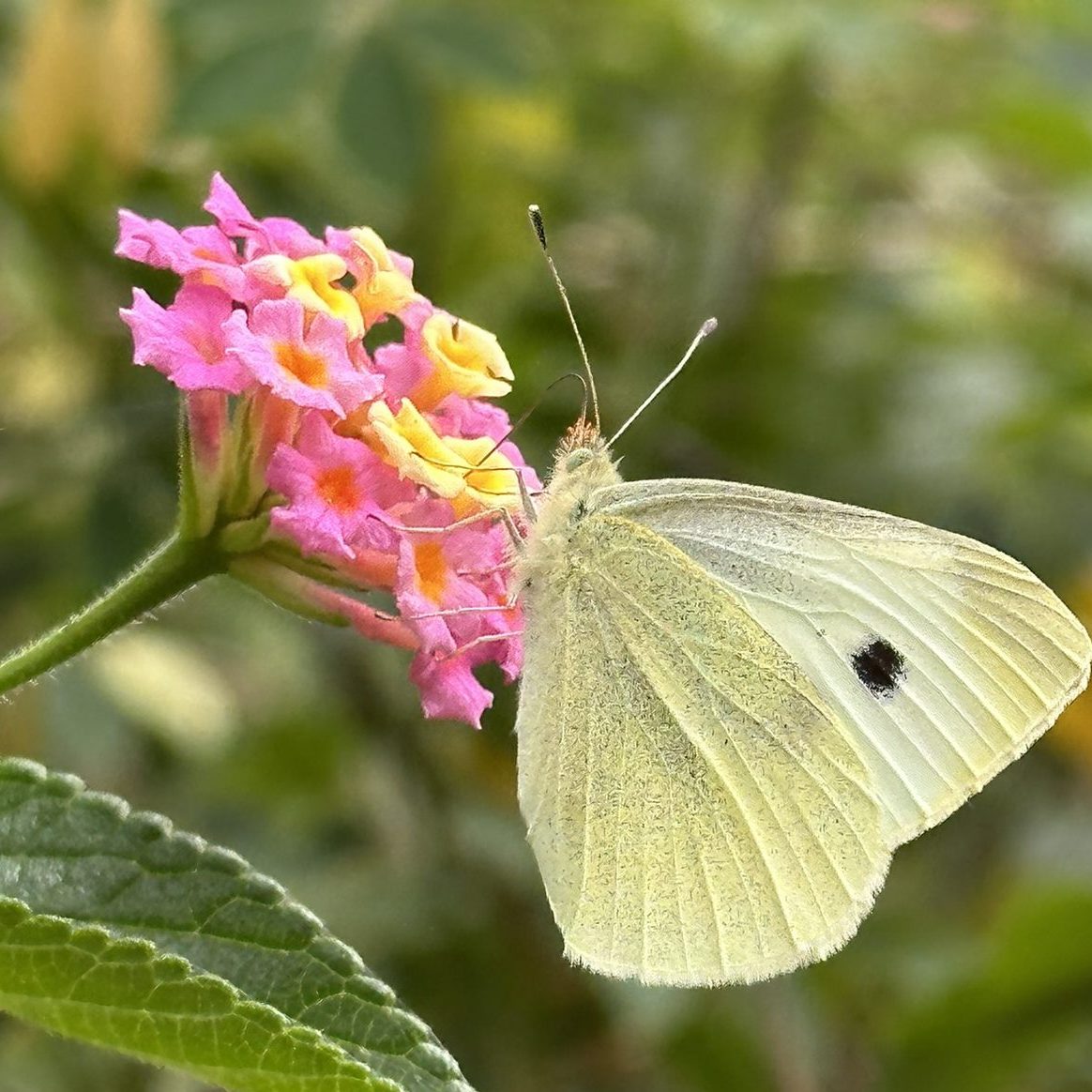
Exploring the reproductive ecology and cross-compatibility of two colour variants of Lantana camara
Supervisor/s: Dr Zoe Xirocostas & Dr Yvonne Davila
Lantana camara, a shrub native to South America, has become extremely invasive in Sydney (and across the world), overgrowing and outcompeting its neighbours and spreading quickly through disturbed sites. Several different colour variants of Lantana exist, and studies suggest that these colour variants make up a “species complex”. To properly manage Lantana, it is important to understand how its reproductive ecology may differ across distinct colour variants. In this honours project, you will conduct a field experiment at UTS’s Yarramundi field site (driver’s licence needed) and measure a suite of reproductive traits (e.g., nectar concentration, pollinator visitation, floral display, phenology, fruit set, seed mass etc.) to compare the reproductive success of two Lantana colour variants individually and assess their capacity to reproduce with each other. This project could continue onto a Masters or PhD (i.e., collecting seeds from crossed colour morphs, conducting germination trials, evaluating breeding success of successive generations).
Using eDNA to detect an invasive aquatic plant across Sydney
Supervisor/s: Dr Zoe Xirocostas & Dr Greta Gaiani
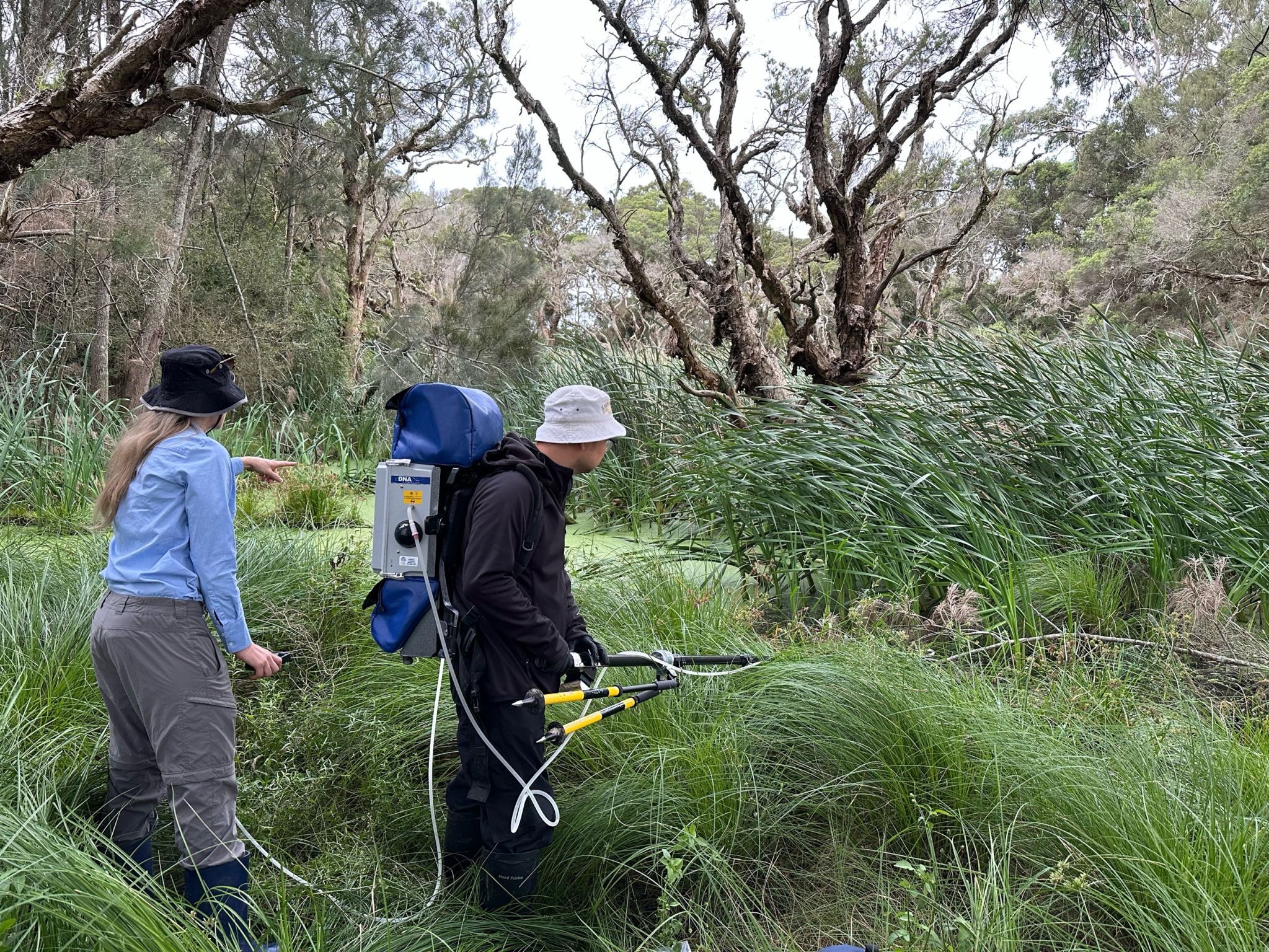
This project aims to assess the efficacy of using new environmental DNA (eDNA) technologies to detect Frogbit (Limnobium laevigatum) in local waterways. Frogbit is listed as Prohibited Matter under the NSW Biosecurity Act as it is an incredibly invasive species that forms large, dense mats across the water’s surface, prevents native water plants from growing, and reduces light, food and shelter for fish and other aquatic animals. This project will involve a comparison of eDNA sampling and extraction methods in locations of known frogbit presence, followed by sampling and extraction of samples from sites with unknown presence in conjunction with visual surveillance. Collaboration will be involved with Northern Beaches Council, who have expressed interest in detecting Frogbit in their local area, and the NSW Department of Primary Industries and Regional Development (NSW DPIRD), who have developed a sensitive and specific eDNA-based assay for detection of frogbit, and will conduct this assay on samples collected for this project.
Exploring the capability of iNaturalist in detecting climate change-induced shifts in flowering time
Supervisor/s: Dr Zoe Xirocostas & Dr Inna Osmolovsky (+ collaboration with Prof. Ken Green)
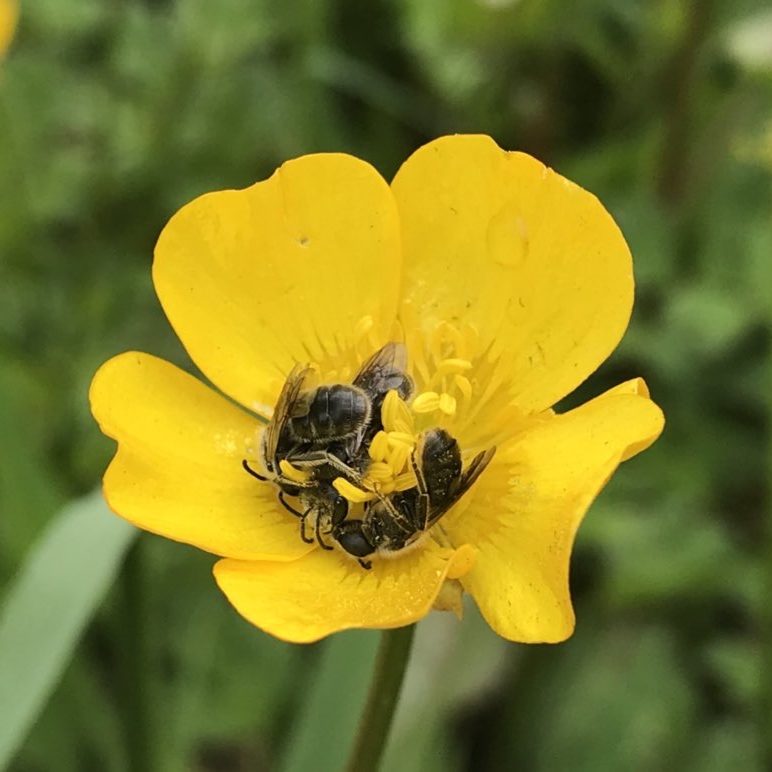
Many plants are shifting their flowering time in response to climate change. For example, 1200 years of records show that cherry blossom flowering now occurs a week earlier than in previous years. However, tracking changes in flowering time in other species is more challenging due to the lack of both historic and current records. Excitingly, citizen science may hold a solution for this problem, providing current data for thousands of species, from multiple locations. However, citizen science records and their ability to reflect species responses to climate change are thought to be misleading. This project aims to compare the accuracy of flowering time records of alpine plants in Kosciuszko National Park from iNaturalist, a leading citizen science app, with records gathered by scientists. Additionally, the project will enable us to understand if shifts in flowering time have occurred for alpine plants in Australia, and if there are certain types of species more susceptible to climate change.
*Potential future projects – impact of flowering times on biotic interactions (both in the field and through iNat observations), and/or comparing species range shifts and shifts in phenology.
Investigating germination success of Australian native plants under future climate scenarios
Supervisor/s: Dr Zoe Xirocostas & Dr Ganesha Liyanage
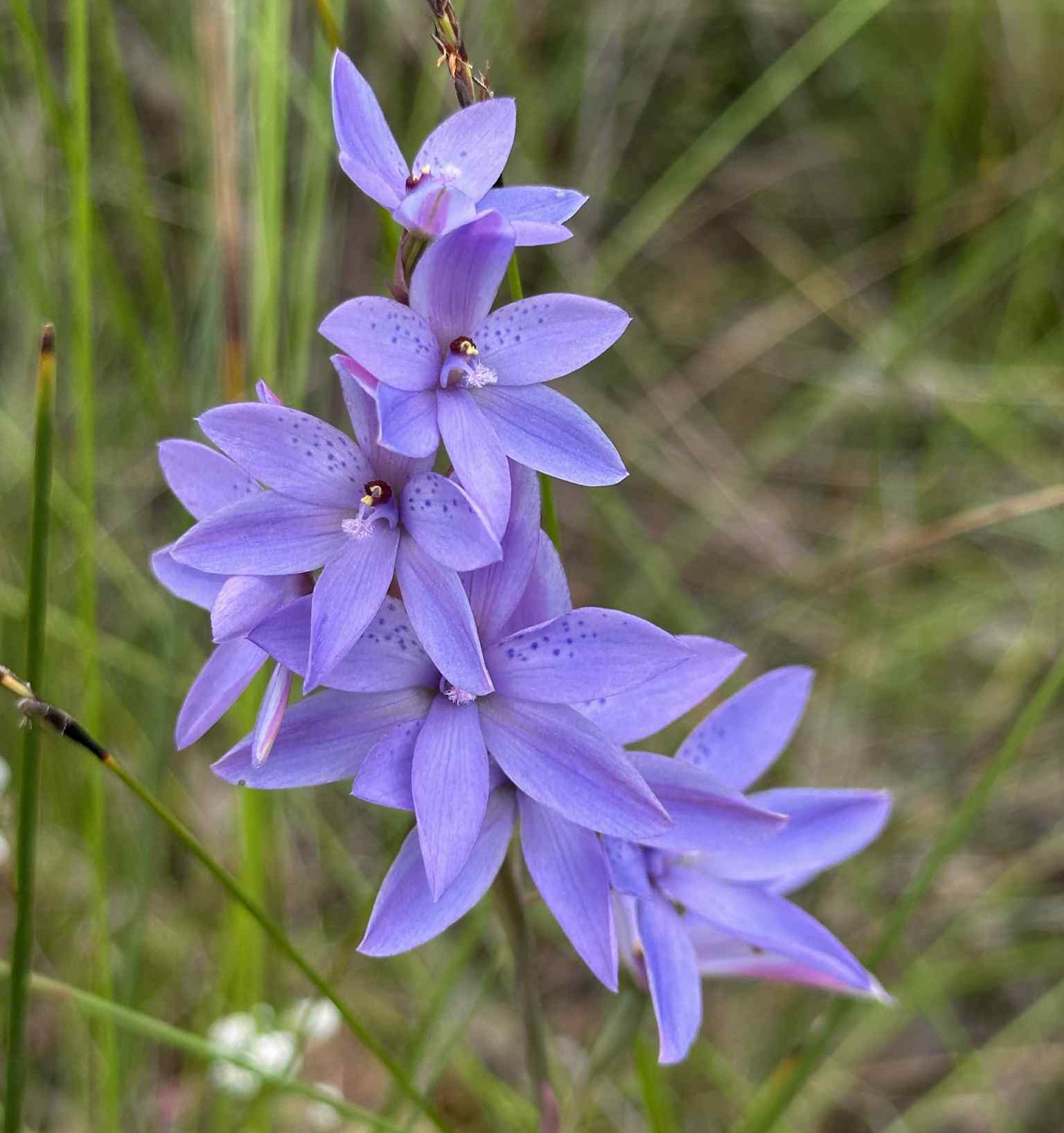
Climate change is predicted to dramatically alter temperature and precipitation patterns across Australia, with many regions experiencing increased temperatures and reduced rainfall. Seed germination is the foundation of plant population persistence and recruitment, yet current germination data for most Australian species is based on historical climate conditions that may no longer represent future realities. This knowledge gap is particularly concerning given Australia’s extraordinary plant diversity and the unique adaptations many species have evolved to cope with variable environmental conditions. This project will investigate the germination potential of native Australian plant species from various ecosystems under projected future climate scenarios. Working in collaboration with the Australian PlantBank at Mt Annan, students will utilise cutting-edge equipment, including thermogradient plates to test seed germination across temperature ranges. The project aims to identify patterns in germination responses across different plant families and functional groups, and determine whether species from more variable climates show greater tolerance to changing conditions. This research will provide crucial data for conservation planning and ecosystem management under climate change.
If you have a specific idea for a project or would like to further develop your own ideas into the projects listed please get in touch! Email: zoe.xirocostas@uts.edu.au
 Dr Zoe Xirocostas